Health and Safety Policy — House Clearance Addlestone
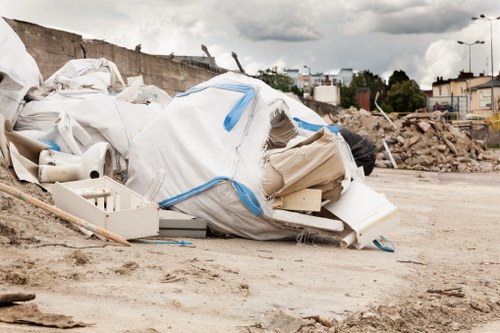 Purpose: This Health and Safety policy sets out the commitments and procedures for a professional house clearance operation serving Addlestone and surrounding service areas. It applies to all staff and contractors engaged in house clearance, rubbish removal, waste collection and clearance services. The policy emphasises safe working practices for house clearance Addlestone projects and related rubbish company activities, prioritising the protection of employees, clients, the public and the environment.
Scope: The policy covers typical tasks associated with domestic and light commercial clearances: removal of furniture, bulky waste, garden debris, general household rubbish and recyclable materials. It applies to vehicle loading and transportation, site risk assessment, manual handling, hazardous items identification and segregation, use of tools and equipment, and secure disposal procedures in line with environmental obligations for waste removal services.
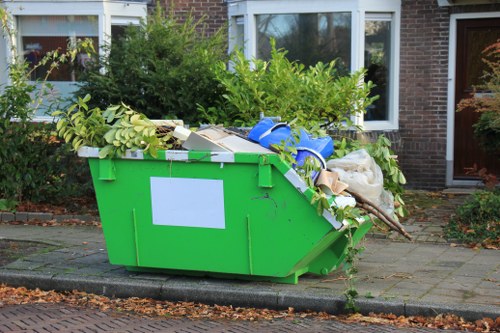 Roles and Responsibilities: Management will provide leadership and resources to implement this policy, ensuring staff competence and adequate safety equipment. Supervisors will conduct pre-job briefings and ensure that every clearance worker has been trained in manual handling, hazardous materials awareness and vehicle safety. Employees are responsible for following safe systems of work, using personal protective equipment, and reporting hazards or near-misses. Contractors and agency workers engaged by the rubbish removal company must adhere to these standards while on site.
Risk Assessment, Training and Supervision
Risk Assessment: Before any house clearance in Addlestone or neighbouring areas, a documented dynamic risk assessment must be completed. This covers physical access, trip and fall hazards, needle-stick and sharps risks, potential asbestos-containing materials, electrical dangers and manual handling demands. Risk controls should favour elimination or minimisation of exposure through task redesign, mechanical aids and safe disposal protocols.
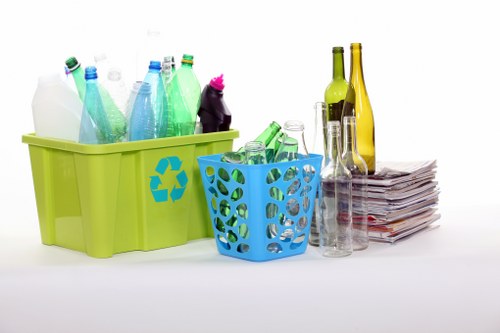 Training and Competence: All operatives will receive induction training and ongoing refresher courses covering safe lifting techniques, PPE use, hazardous waste identification, and secure loading of vehicles for rubbish collection. Managers will maintain training records and arrange specific training for specialist disposal tasks such as handling batteries, solvents or contaminated materials. Strong emphasis is placed on communication skills and teamwork to reduce incidents during busy clearances.
Supervision: Experienced supervisors will monitor compliance and provide clear instructions at every stage. Supervisors must ensure that working alone risks are mitigated and that teams operate within sight or hearing of each other during complex lifts or confined access clearances. Planned spot checks will be carried out to enforce safe working standards.
Safe Systems of Work and Equipment
Manual Handling and Lifting: Procedures will be in place to minimise manual handling injuries. Use of trolleys, sack trucks, lifting straps and, where necessary, powered lifting equipment is mandatory for heavy or awkward items. Team lifts must be organised and communicated clearly to avoid strain injuries during a house and garden clearance job.
 Personal Protective Equipment (PPE) and Tools: Appropriate PPE including gloves, steel-toe boots, eye protection, hi-vis clothing and masks for dust or biohazard risks must be provided and worn. Tools and equipment will be maintained and inspected regularly. A toolbox talk will be delivered prior to using cutting tools, crowbars and powered devices to reduce the risk of injury and property damage.
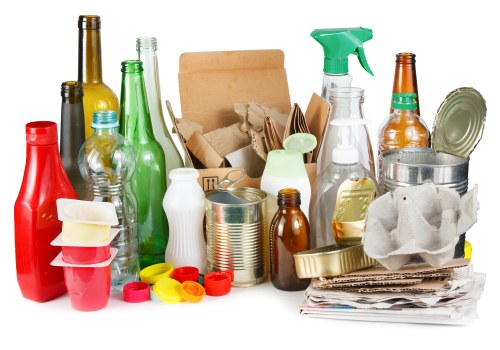 Hazardous Materials and Waste Segregation: The rubbish removal team must identify and segregate hazardous wastes such as chemicals, asbestos suspects, batteries and medical waste. Whenever hazardous items are found, work will pause and the item treated according to safe handling procedures. Disposal routes for regulated wastes will be followed and documented by the clearance crew to ensure environmental protection and regulatory compliance.
Vehicle Safety and Secure Loading: Vehicles used for clearance and rubbish collection shall be roadworthy and regularly inspected. Loads must be secured to prevent shifting in transit. Drivers will follow safe driving practices and limits on daily hours to reduce fatigue-related risks. Loading and unloading plans must consider public safety when working on streets or in driveways.
Accident Reporting and Emergency Procedures: All incidents, injuries and near-misses must be reported immediately and recorded. First aid provision will be available on site in line with task risk. Emergency plans will include arrangements for calling emergency services, isolating hazards and protecting bystanders during a high-risk event.
Monitoring and Review: Health and safety performance will be reviewed regularly through inspections, incident analysis and feedback from staff. The policy will be updated to reflect lessons learned, changes in legislation and best practice in house clearance operations. Continuous improvement in waste handling, rubbish removal service quality and employee wellbeing is a core objective.
Commitment: Management and staff are committed to creating a safe workplace for every clearance job. By following this policy, the house clearance team demonstrates a proactive approach to health, safety and environmental stewardship, ensuring professional, safe and reliable clearance and rubbish removal services across the service area.
Signed by the authorised representative on behalf of the clearance company
