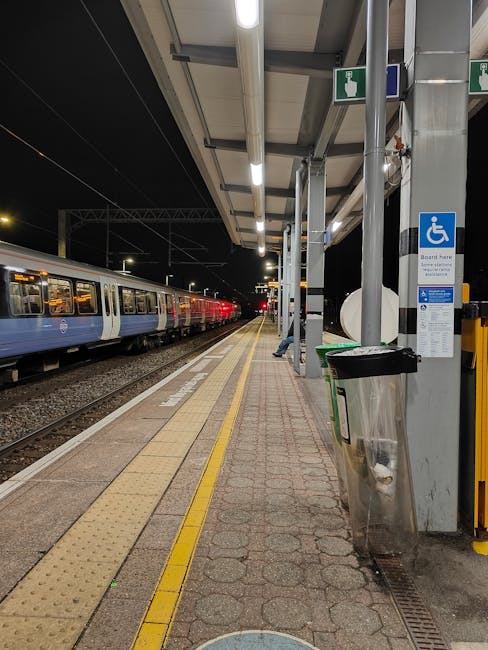
Station Road Addlestone rubbish removal access guide
If you are planning a clearance on or near Station Road in Addlestone, the biggest challenge is often not the rubbish itself. It is the access. A driveway that looks fine on paper can turn out to be tight, parked-in, shared, blocked by low branches, or awkward for a larger vehicle on arrival. This Station Road Addlestone rubbish removal access guide breaks down what matters before collection day, how to prepare properly, and how to avoid the little issues that can turn a straightforward job into a frustrating one.
Whether you are clearing a flat, a family home, a garage, or builders' waste, the same rule tends to apply: the easier the access, the smoother the removal. Sounds obvious, but in real life there are always a few curveballs. A narrow entrance, a flight of steps, a neighbour's car, or a pile of bags positioned just a little too far away can change the whole rhythm of the job. Let's make that easier.
Table of Contents
- Why Station Road Addlestone rubbish removal access guide Matters
- How Station Road Addlestone rubbish removal access guide Works
- Key Benefits and Practical Advantages
- Who This Is For and When It Makes Sense
- Step-by-Step Guidance
- Expert Tips for Better Results
- Common Mistakes to Avoid
- Tools, Resources and Recommendations
- Law, Compliance, Standards, or Best Practice
- Options, Methods, or Comparison Table
- Case Study or Real-World Example
- Practical Checklist
- Conclusion
- Frequently Asked Questions
Why Station Road Addlestone rubbish removal access guide Matters
Access is the difference between a quick, tidy collection and a job that drags on longer than it should. On a busy road, near parking bays, or around terraced and converted properties, even a small delay can become annoying for everyone involved. If a removal team cannot park safely or get close enough to the waste, they may need to carry items further, move more slowly, or rearrange the collection plan on the spot.
That affects more than speed. It can change labour time, vehicle choice, and the amount of handling needed. In practical terms, this means the access arrangement should be thought about before the booking, not after the van has arrived and everyone is staring at a pile of old furniture wondering where it is supposed to go. Truth be told, a few minutes of planning usually saves a lot of back-and-forth later.
Station Road and the surrounding Addlestone area can present the usual mix of residential access issues: on-street parking, shared entrances, side alleys, narrow paths, and properties where the waste is not actually near the front of the building. The guide matters because it helps you spot those details early and give accurate information when arranging rubbish removal.
Practical takeaway: the better the access details, the more accurately a collection can be planned, priced, and completed without unnecessary stress.
It also helps with safety. Clear access means fewer awkward lifts, fewer trips around hazards, and less chance of damage to walls, gates, floors, or neighbouring property. That is especially important in tighter spots where a wheelbarrow, sack truck, or manual carry may be needed. Nobody enjoys scraping a skirting board because the corner was tighter than expected.
How Station Road Addlestone rubbish removal access guide Works
In simple terms, the guide helps you describe how a rubbish removal team can reach the waste and how much effort will be needed to collect it. The main questions are usually straightforward: Where can the vehicle park? How far is the waste from the nearest safe parking spot? Are there steps, lifts, gates, or narrow doorways? Is there room to turn, unload, and load without blocking neighbours or traffic?
Access planning usually starts with the property type. A house with a front drive is very different from a first-floor flat with a shared stairwell. A garage clearance is different again, especially if the garage is stuffed from floor to ceiling with old boxes, broken shelving, and a bike that has not moved in years. We have all seen that sort of thing. It starts with "just a few bits" and somehow ends with three full van loads.
From there, the process is usually based on practical judgement rather than rigid rules. The team may ask for photos, approximate distances, access notes, or a description of any obstacles. In some cases, a quick look from the roadside is enough. In others, a more detailed explanation helps prevent wasted time. If the collection includes heavy items like wardrobes, appliances, or soaked carpet rolls, access becomes even more important because the carrying route needs to be safe and manageable.
There is also a big difference between access for removal and access for loading. You might have enough room for a van to stop nearby, but not enough space for large items to pass through a hallway or out of a basement. Or the waste may already be outside, but in a spot that is awkward for a crew to reach quickly. Both situations matter.
To keep things simple, think of access as a chain:
- arrival and parking
- safe route to the waste
- lifting and carrying space
- clear loading point
- safe exit from the property
If any one of those links is weak, the whole job becomes slower. Not impossible. Just more fiddly.
Key Benefits and Practical Advantages
A good access plan does more than save time. It creates a better experience all round. The obvious benefit is efficiency: if the crew can get close to the waste, the job tends to be cleaner, quicker, and easier to manage. But there are several other advantages worth noticing.
1. Fewer delays. If parking, entry, and carrying routes are sorted in advance, the collection can begin without the usual "let me just move the car" or "I thought the side gate was open" shuffle.
2. Better pricing accuracy. Access details help make quotes more realistic. A straightforward lift-and-load from the front path is not the same as carrying bags down two flights of stairs. Good information supports fairer estimates.
3. Lower risk of damage. Tight corners, awkward steps, and low ceilings are all places where walls and furniture tend to have little arguments. Clear access reduces that risk.
4. Safer handling. Waste removal is physical work. Easier access reduces strain, awkward movements, and unnecessary lifting. That matters for everyone.
5. Better neighbour relations. On a road like Station Road, sensible timing and parking choices can help avoid blocking driveways or causing irritation in shared spaces. A polite collection is usually a happier collection.
6. More suitable vehicle planning. Some jobs need a smaller vehicle or an alternative approach. Others need a bigger load capacity. Access details help match the right setup to the site.
There is also a quieter benefit: confidence. When you know the route, the timing, and the likely pinch points, the whole process feels less stressful. That alone is worth quite a bit.
Who This Is For and When It Makes Sense
This guide is useful for a wide range of people. If you live on Station Road, nearby residential streets, or anywhere in Addlestone where access can be a bit tight, it applies just as well. It is especially helpful if you are unsure how much information to give when booking waste removal.
It makes sense for:
- homeowners clearing lofts, garages, sheds, or gardens
- tenants moving out of flats or maisonettes
- landlords preparing a property between lets
- small businesses disposing of office furniture or stock
- tradespeople clearing builders' waste after a project
- families dealing with bulky items that will not fit in a car
If you are booking a home clearance, the access questions can be broader because the team may need to move through several rooms and maybe up or down stairs. For a garage clearance, the main issue may be how close a vehicle can safely get to the garage door. With builders' waste clearance, the concern is often speed and safe loading, especially if rubble, timber, or mixed material is involved.
This is also relevant if you have mobility concerns, limited storage space, or a property where waste has been gathered gradually over time. The longer waste sits, the harder it can be to move in one go. A clear access plan can make the difference between a manageable job and a genuinely daunting one.
And if you are thinking, "Surely they can just come and sort it out," well, yes and no. A good crew can handle surprises. But good prep still helps. A lot.
Step-by-Step Guidance
Here is a simple, practical way to prepare your Station Road access details before collection day.
- Identify the waste location. Is it in the front garden, rear garden, garage, loft, hallway, kitchen, or top-floor flat? The exact position matters more than people often realise.
- Measure the carry distance. You do not need engineering precision. A rough estimate is usually enough. For example: "about 15 metres from the front gate" or "down one narrow staircase and through the communal entrance."
- Check parking options. Can a van stop near the property? Is there only street parking? Are there bay restrictions, permit zones, or usual congestion at certain times of day?
- Look for obstacles. Note low walls, overgrown hedges, locked gates, uneven paving, steps, tight turns, or anything that might slow a hand-carry.
- Sort out access permissions. If the waste is in a shared area, make sure you know who can open gates, unlock doors, or confirm entry. This avoids unnecessary waiting.
- Take a few clear photos. Pictures of the waste, the route to it, and the parking area can be very helpful. They do not have to be fancy. A few decent phone shots are enough.
- Separate what is staying from what is going. This is a big one. If useful items are mixed in with rubbish, mark them clearly. Nobody wants a useful lamp disappearing because it was sitting next to a broken chair.
- Prepare the route. Move cars, open gates, unlock side access, and clear away anything that could trip someone up. A clear path is a kind thing, honestly.
- Confirm the plan. Before collection day, go back over the details. If anything has changed, say so. Better now than when the van is already outside.
A good rule of thumb is to imagine the collection in motion. Where does the first item leave the property? Where does it turn? Where does it get loaded? If the path feels awkward in your head, it will probably feel awkward in real life too.
Expert Tips for Better Results
Over time, a few patterns show up again and again. The jobs that go smoothly are rarely lucky. They are usually prepared properly.
Give the awkward detail first. If there is a narrow alley, a steep step, a shared entrance, or limited parking, mention it at the start. The awkward bit is often the bit that matters most.
Be honest about volume. A "small load" can turn into a large one once everything is gathered in one place. If the waste is spread across a house, garden, and shed, say that. It changes the shape of the job.
Group heavy items together if safe. If a sofa, mattress, and wardrobe are going, having them in one area can simplify the load. Just do not block exits while doing it. Safety first. Common sense, really.
Think about weather. A dry path is one thing; a wet, slippery one is another. In a wet spell, access routes may need extra care. Wet leaves on paving are sneaky little hazards.
Plan for neighbours and shared spaces. On residential streets, especially where parking is limited, a polite heads-up can help if access may briefly affect shared areas. Not always necessary, but often appreciated.
Send photos when possible. It is one of the simplest ways to improve accuracy. A good photo can reveal more than a long explanation. And yes, sometimes the photo shows that the real issue is not the rubbish at all, it is the pile of bikes in front of it.
Ask about the loading method. Some items are better removed in stages. Others are quicker when moved straight from a room to the vehicle. The right method depends on access, item type, and safety.
Leave a little slack in the timetable. Collection days rarely need drama, but traffic, parking, and access checks can take a bit longer than expected. Giving yourself breathing space helps keep the whole thing calm.
One more thing: if you are unsure whether access is "good enough," describe it anyway. The person booking the job has probably seen far stranger setups. Probably.
Common Mistakes to Avoid
Most access problems are avoidable. They usually come from small oversights rather than major faults.
- Assuming the crew will figure it out on arrival. They often can, but it wastes time and may lead to a less efficient collection.
- Forgetting about parking restrictions. A road that seems fine at 10 a.m. may be very different at school run time or when nearby commuters are around.
- Leaving waste in a hard-to-reach place. If you have the choice, move items closer to the exit before collection day.
- Not mentioning stairs or height differences. A single step, a split-level entrance, or a steep path can change the handling plan.
- Blocking the route with personal items. Shoes, bins, plants, prams, bikes, and loose boxes all have a habit of appearing right in the way.
- Mixing keep and remove items. This causes confusion and sometimes mistakes. Labels, tape, or a clear "stay" area help a lot.
- Ignoring locked gates or shared access arrangements. If the team cannot get through, the job stalls. Simple as that.
- Underestimating bulky items. A large wardrobe can be much trickier than six bags of mixed rubbish. Volume and shape both matter.
The more cramped the setting, the more these small mistakes tend to matter. On a straightforward driveway, you might get away with being vague. On a tighter street or multi-level property, not so much.
Tools, Resources and Recommendations
You do not need specialist equipment to prepare well, but a few basic things can make access much easier.
- Phone camera: take clear pictures of the waste, entrances, and parking area.
- Tape measure or rough pacing: useful if you want to estimate carry distance.
- Sticky notes or labels: handy for marking items to keep or remove.
- Gloves: sensible for sorting items, especially in garages, sheds, or gardens.
- Bin bags or boxes: useful for loose light waste, paperwork, or small items.
- Torches or good lighting: very helpful for lofts, side passages, or dim rear access.
If your clearance is part of a wider project, a few related services may also be useful. For instance, furniture clearance can help when bulky items are the main issue, while furniture disposal is often a good fit for single items or a small batch of large pieces. If you have household clutter mixed with waste, house clearance may be the more complete option.
For more detail on the company's values and background, you can also review the about us page. And if you are comparing options or trying to keep costs sensible, the pricing and quotes information is worth a look before you book.
One small recommendation from experience: keep a single note on your phone with the access details. Then you are not scrambling to remember whether the gate opens inward, the alley is shared, or the parking restriction starts at half past. Tiny thing, big help.
Law, Compliance, Standards, or Best Practice
For rubbish removal in the UK, the safest approach is to follow normal waste-handling best practice and choose a provider that works carefully and responsibly. You do not need to know every technical detail, but a few principles matter.
First, waste should be handled and transported properly. That means it should be loaded safely, not dumped where it can blow around, leak, or cause a hazard. Second, anything restricted or hazardous should be identified before collection. If in doubt, ask rather than guessing. Third, access arrangements should not create avoidable risks for the public, neighbours, or workers.
This is where good preparation helps. Clear access reduces the need for rushed manoeuvres, awkward carrying, and last-minute improvisation. It also supports safer working conditions around steps, kerbs, uneven surfaces, and narrow paths. For jobs involving heavier or more awkward waste, a sensible provider will usually factor in manual handling and safety expectations as part of the plan.
If you are clearing business premises, an business waste removal service may be more suitable, especially where documentation, timing, or commercial access rules matter. For office settings, office clearance can be the better route because it takes workplace layout and building access into account.
Health and safety should not be treated as paperwork for the sake of it. It is part of what keeps a collection smooth and professional. You can also review the company's health and safety policy, along with insurance and safety information, if you want extra reassurance before a booking.
And yes, if you are dealing with lofts, loft hatches, or awkward ceiling access, a loft clearance can bring its own set of safety considerations. No one wants a near miss with an old suitcase and a wobbly ladder. That sort of thing tends to concentrate the mind, fast.
Options, Methods, or Comparison Table
Not every clearance needs the same method. Access should influence how the job is done. Here is a simple comparison that may help.
| Method | Best for | Access needs | Typical advantage | Potential drawback |
|---|---|---|---|---|
| Direct front-access collection | Items close to the road or driveway | Good parking and short carry distance | Fast and efficient | Less suitable if parking is tight |
| Rear or side access collection | Gardens, garages, and side return waste | Open gates and clear paths | Keeps waste away from the main house | Can be awkward if the route is narrow |
| Internal clearance | Flats, lofts, and full-property clearances | Stairs, halls, lifts, and door widths matter | Useful for clutter inside the building | More carrying and more handling |
| Small-load collection | A few bulky items or bagged waste | Simple access is still helpful | Flexible and straightforward | May be slower if waste is spread out |
| Bulk or mixed waste clearance | Large, varied, or awkward loads | Best with plenty of detail in advance | Good for bigger projects | Needs more planning and sorting |
If your access is particularly limited, the best option is usually the one that reduces manual carrying and avoids unnecessary movement through the property. In some homes, that means shifting items to the front room before collection. In others, it means using a garden route or preparing a side passage. There is no universal answer, only the one that fits the site.
For garden-heavy jobs, garden clearance can be a practical choice, while a flat clearance is often better suited to buildings with stairs, communal areas, and tighter access management. Again, the access route decides a lot of the method.
Case Study or Real-World Example
Here is a realistic example based on the sort of situation that comes up often.
A resident on Station Road needed to clear a mix of old chairs, broken shelving, bags of clutter, and a small cabinet from a property with rear access only. The rear gate was narrow, the path was slightly uneven, and there was just enough room for one person to pass at a time. Not ideal, but manageable.
Before collection day, the resident took three photos: one of the waste pile, one of the gate, and one of the side path. They also measured the carry distance roughly, moved a parked car out of the way, and labelled two boxes of items to keep. That small bit of prep changed the whole feel of the job. The collection could be planned around the narrower route, and the team knew in advance that bulky items would need to be broken down where possible.
The result was a smoother, tidier pickup with less backtracking. Nothing dramatic. No heroics. Just good preparation. And that is usually how the best waste removals go. A little quiet efficiency. A few sensible decisions. Job done.
Another common scenario is a top-floor flat where items have to come down shared stairs. If the route is clear and the waste is sorted in advance, it can still be straightforward. If not, even a modest load may feel heavy and awkward. That is why access details matter even when the amount of rubbish looks small at first glance.
Practical Checklist
Use this quick checklist before your collection:
- Do I know exactly where the waste is located?
- Can a vehicle park safely and legally nearby?
- Is the route from waste to vehicle clear?
- Are there stairs, narrow doors, steep paths, or gates to mention?
- Have I told the provider about any shared access issues?
- Have I separated items to keep from items to remove?
- Are there any heavy, fragile, or awkward items in the load?
- Have I sent photos if asked or if it would help?
- Do I need to move a car, bin, or garden item before collection?
- Have I checked whether anything has changed since booking?
Helpful final check: if you were the person arriving with a van, would the route make sense on first look? If the answer is yes, you are probably in good shape.
Conclusion
A well-planned access setup is one of the simplest ways to make rubbish removal in Station Road, Addlestone calmer, faster, and more cost-effective. It helps the crew work safely, keeps your property easier to manage, and reduces the chance of delays that nobody wants on a busy day. The details do not need to be perfect. They just need to be clear enough to avoid surprises.
If you remember only one thing, make it this: the access route is part of the job, not a side note. Parking, carrying distance, gates, stairs, and route visibility all shape how smoothly the clearance will go. Once you start looking at the property through that lens, things become much easier to plan.
And if the setup feels a bit awkward, that is all right. Most properties have one odd detail or another. A good plan can work around that. Slowly, steadily, and without the usual stress.
Get a free quote today and see how much you can save.
If you want more background on how the team works across different jobs, the waste removal page is a useful next stop. For sustainability-minded readers, the recycling and sustainability page explains how materials are handled with care.
Frequently Asked Questions
What does a rubbish removal access guide actually cover?
It covers the practical route from the waste to the vehicle: parking, paths, steps, gates, doors, carrying distance, and any obstacle that could slow collection or make it unsafe.
Why is access so important for rubbish removal in Station Road, Addlestone?
Because access affects time, safety, and how much manual handling is needed. In tighter residential spots, a small detail like parking distance can make a surprisingly big difference.
Do I need to send photos before booking?
Not always, but photos are often very helpful. A few clear images can show the route, the waste type, and any access issue better than a long message.
What if there is only street parking available?
That can still work, but it helps to mention where parking is usually available and whether there are restrictions. The closer the vehicle can get safely, the smoother the collection tends to be.
How do I prepare a flat for rubbish removal access?
Check stairs, communal entrances, lift availability, and whether the waste can be staged near the exit. For a flat, access details matter just as much as the volume of waste.
Can bulky furniture be removed through narrow spaces?
Sometimes, yes, but it depends on the item dimensions and the route. Sofas, wardrobes, and mattresses often need a bit more planning than smaller items.
What should I do if the waste is in a rear garden?
Make sure the gate is open or unlocked, the path is clear, and any trip hazards are removed. If the route is muddy or uneven, mention that too.
Will poor access make rubbish removal more expensive?
It can affect the quote because it may change the time, labour, and vehicle planning required. The best way to avoid surprises is to give clear information up front.
Is it a problem if I am not sure how much waste there is?
Not really. Estimate as best you can and mention whether the waste is piled in one place or spread across several rooms. That often matters more than a precise number.
What kind of access issues should I mention first?
Start with anything that affects safety or parking: stairs, narrow gates, long carry distances, blocked entrances, locked areas, or restricted road access.
Can I leave items by the kerb for collection?
Only if the arrangement is suitable and the items can be placed safely without causing a hazard. It is usually better to confirm the plan before moving anything outside.
What is the biggest mistake people make with access planning?
Assuming the crew will just sort it out on arrival. They often can, but a few minutes of preparation usually makes the job quicker, tidier, and less stressful for everyone.