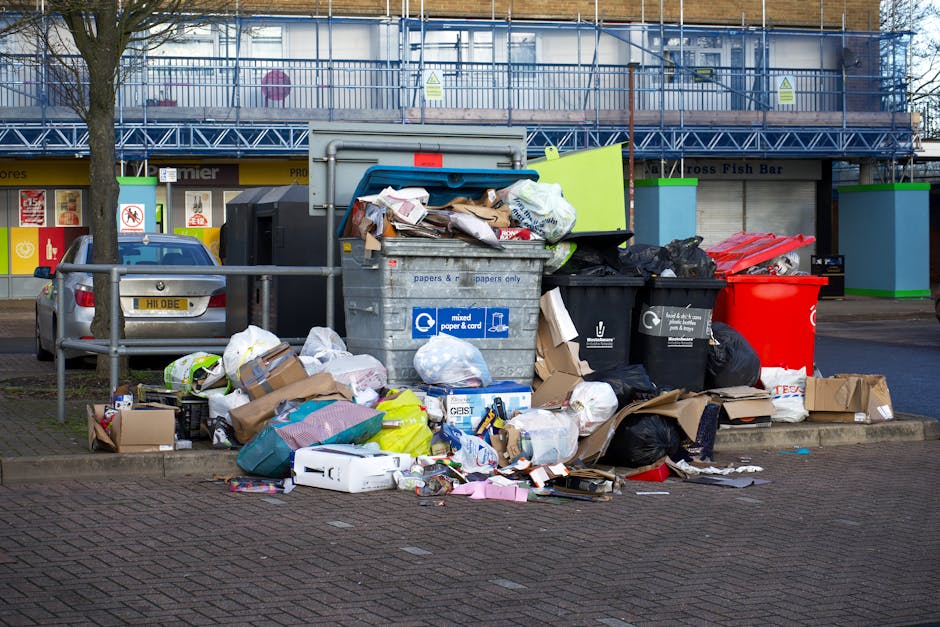
Runnymede council rules for waste in Addlestone explained
If you live or work in Addlestone, waste collection can seem straightforward right up until it isn't. One missed bin day, one extra sofa left by the kerb, or one heavy bag of DIY rubble, and suddenly you are trying to work out what Runnymede actually allows. This guide to Runnymede council rules for waste in Addlestone explained breaks it down in plain English, with practical advice for household rubbish, recycling, bulky items, garden waste, and the common grey areas people run into.
Truth be told, most waste problems are not caused by bad intentions. They happen because the rules are a bit more specific than people expect. What goes in which bin? Can you leave extra bags out? Do you need to book a bulky waste collection? What about waste from a clear-out, a renovation, or a house move? Let's make it easier.
Along the way, you will also see where professional help can save time, reduce stress, and avoid the sort of mistakes that lead to wasted weekends and awkward comments from neighbours. For company background and policies, you can also look at the useful information on about the team, recycling and sustainability, and health and safety practices.
One small note before we go on: council rules can change, and some arrangements depend on the property type, collection route, or the kind of waste involved. So this is a practical guide, not a substitute for checking the latest local guidance when you need certainty.
Table of Contents
- Why Runnymede council rules for waste in Addlestone explained Matters
- How Runnymede council rules for waste in Addlestone explained Works
- Key Benefits and Practical Advantages
- Who This Is For and When It Makes Sense
- Step-by-Step Guidance
- Expert Tips for Better Results
- Common Mistakes to Avoid
- Tools, Resources and Recommendations
- Law, Compliance, Standards, or Best Practice
- Options, Methods, or Comparison Table
- Case Study or Real-World Example
- Practical Checklist
- Conclusion
- Frequently Asked Questions
Why Runnymede council rules for waste in Addlestone explained Matters
Waste rules might not feel like the most exciting part of home life. But in Addlestone, they matter for three very practical reasons: keeping collections running smoothly, avoiding contamination or missed pickups, and reducing the chance of fly-tipping or unsafe waste being left around.
If you have ever stood at the kerb on a grey Tuesday morning wondering whether that extra black sack is allowed, you already know the feeling. The rules are there to stop bins overflowing and to make sure waste can be collected safely and efficiently. That sounds simple, but in real life there are a lot of small variables. A loft clearance after years of storage. Garden waste after a windy weekend. A shed full of mixed junk that is half recyclable and half not. That's where people get caught out.
For residents, understanding the basics saves time and hassle. For landlords, managing agents, and homeowners preparing a move, it reduces complaints and delays. For anyone arranging a clearance, it helps you plan what can be put out through normal council services and what needs separate handling.
There is also a wider local benefit. Better sorting means more material can be recycled properly, and less ends up in the wrong place. To be fair, most people want to do the right thing; they just need the rules explained in a way that is actually usable on a busy day.
Expert summary: If you remember one thing, remember this: council waste rules are less about paperwork and more about making sure the right item goes into the right route at the right time. Get that part right, and everything becomes easier.
How Runnymede council rules for waste in Addlestone explained Works
At a basic level, the system is about separating waste streams and presenting them correctly for collection. Some waste is taken regularly in household bins. Some needs to be sorted into recycling. Some items are too large or too awkward for a routine collection and need a special arrangement. And some materials should not go in domestic bins at all.
In Addlestone, the practical process usually comes down to this: check what type of waste you have, decide whether it belongs in the normal collection system, and make sure it is presented in the approved way. Sounds easy enough. In practice, the tricky bit is the mixed stuff.
A typical clear-out can produce all sorts of items at once: packaging, old clothes, broken small appliances, garden cuttings, bedding, books, and a chair that has seen better decades. Mixed loads need thought. If you put the wrong things together, you can contaminate recyclable material or make the load unsuitable for collection.
Here is the easiest way to think about it:
- Household waste is the everyday rubbish that is not recyclable.
- Recycling is the dry, accepted material stream, which usually needs to stay clean and uncontaminated.
- Garden waste is usually separate from general rubbish.
- Bulky waste covers large household items that do not fit routine collection methods.
- Special waste includes items that need extra care, such as electrical equipment, some chemicals, or sharp materials.
The exact details can vary, especially if you live in a flat, a shared property, or a location with limited bin storage. That is why it helps to think in terms of the collection method rather than just the item itself. A broken table might be accepted as bulky waste, but a dismantled table mixed with plasterboard, paint, and rubble becomes a different conversation entirely.
If you are organising a larger clearance, it can help to review service details and practical terms in advance, including the company's terms and conditions and pricing and quotes guidance. That sounds dull, maybe, but it can save a lot of confusion later.
Key Benefits and Practical Advantages
Understanding the rules is not only about avoiding a problem. There are real everyday benefits when you get waste handling right in Addlestone.
1. Fewer missed collections
Missed collections often happen because bins are overfilled, the wrong material is put in the wrong container, or waste is presented incorrectly. When you know the system, you are far less likely to be left with rubbish outside for another week. Nobody wants that smell on a warm afternoon, let's face it.
2. Better recycling outcomes
Clean separation helps recyclable materials stay useful. A handful of food waste or loose liquids can spoil a load. That is why good sorting matters so much. Small effort, meaningful result.
3. Less stress during clear-outs
If you are clearing a property, moving house, or dealing with a bereavement, waste is one more thing you do not need making your day harder. Knowing what goes where gives you a plan. A plan is calming. Oddly calming, even.
4. Reduced fly-tipping risk
People sometimes leave items out because they are unsure what to do with them. That uncertainty can lead to dumped waste, which is bad for the street and creates extra work for everyone. Clear guidance helps stop that chain before it starts.
5. Safer handling
Sharp, heavy, or awkward waste can injure people if handled badly. A proper approach is not just tidier; it is safer for you, the collection crew, and anyone moving around the property.
Practical advantage in one line: the better you sort waste, the less time you spend dealing with it later.
Who This Is For and When It Makes Sense
This topic matters to a surprisingly wide group of people. It is not just for households with overflowing bins.
- Homeowners who want to stay on top of regular collections and seasonal clear-outs.
- Tenants who need to understand what they can and cannot leave behind at the end of a tenancy.
- Landlords and letting agents who are handling multiple properties and need reliable waste planning.
- Families moving home and trying to deal with packing waste, broken furniture, and old clutter.
- People clearing a garage, loft, shed, or garden where the contents have built up over years.
- Anyone arranging a house clearance and wanting to know what the council will and will not take.
It also makes sense if you are comparing whether to do the job yourself or bring in professional help. For some people, a few extra bin bags and a careful trip to the right place is enough. For others, the job is too big, too awkward, or too time-sensitive. There is no one-size-fits-all answer.
A quick real-world scenario: a couple in Addlestone clears out a spare room after years of storage. They find books, flattened cardboard, broken lamps, old bedding, a chest of drawers, and some garden tools. Some of that can go through ordinary collections if sorted correctly. Some of it should not. The practical question is not simply "what is it?" but "what route should this item take?"
Step-by-Step Guidance
If you want to handle waste properly without overthinking it, use this simple process.
Step 1: Identify the waste type
Start by separating general rubbish, recycling, garden material, bulky items, and anything potentially hazardous or specialist. Do not mix everything together and hope for the best. Hope is not a sorting method.
Step 2: Check what is suitable for the normal bin system
Some waste belongs in your usual household containers, but only if it fits and is accepted. Overfilled bins are a common problem. Loose bags beside the bin may not be collected. If you have more waste than usual, pause and sort it before collection day.
Step 3: Separate recyclables cleanly
Cardboard, paper, certain plastics, cans, glass, and similar dry recyclables should stay free from food residue and liquids wherever possible. If something is greasy, damp, or contaminated, it can stop the whole lot from being processed properly.
Step 4: Deal with bulky items properly
Furniture, mattresses, large cabinets, and similar items usually need a separate arrangement. Do not leave them out randomly and assume they will disappear. That is how things turn messy, and not in a charming way.
Step 5: Handle special items carefully
Some waste needs more caution. This includes electrical goods, sharp objects, and materials that could leak or cause harm if handled badly. If in doubt, keep the item separate until you know the correct route.
Step 6: Decide whether a clearance service makes more sense
If you have a large, mixed or time-sensitive job, a clearance service may be more efficient than trying to move everything yourself. The best choice usually depends on access, volume, and how much sorting you have already done. You can review the practical side through the site's recycling and sustainability approach and then compare that with the available pricing and quotes.
Simple rule: sort first, move second, and book help if the load is larger than it first looks. It usually is.
Expert Tips for Better Results
After dealing with enough clear-outs, a few patterns become obvious. These small habits make a big difference.
Keep a "sort as you go" system
When you are clearing a room, place items into separate piles or bags immediately. One for recycling, one for general waste, one for donation or reuse, and one for bulky items. Waiting until the end means you will probably just create a giant mixed heap. We have all seen that pile. Nobody is proud of it.
Do the awkward items first
Large furniture and heavy waste are often the items people leave until the end. That is a mistake. Get the hard stuff out of the way early, then the rest of the job feels manageable.
Think about access before collection day
Can a collection team or vehicle get close enough? Are there narrow paths, steep steps, shared hallways, or parking restrictions? Good planning here saves time and reduces the risk of damage. For safety and handling expectations, it is worth reading the site's insurance and safety information.
Keep proof of responsibility where relevant
If you are dealing with waste from a rental property, commercial setting, or probate clear-out, keep records of who arranged the collection and what was included. It is a small admin task, but it can help if questions come up later.
Use the quiet parts of the day wisely
Early morning is often the calmest time to load bags, sort items, and check everything before collection. There is something very satisfying about finishing the job before the street gets busy and the kettle's even boiled.
Ask about sustainability when choosing a provider
Not all clearances are the same. A good provider should be clear about sorting, reuse, recycling, and disposal routes. That is where a company's about us and recycling commitments can help you judge whether their approach fits your expectations.
Common Mistakes to Avoid
This is where a lot of waste problems start. Small errors, surprisingly expensive consequences.
Mixing everything together
The biggest mistake is treating all waste as one category. A mixed bag of rubbish, recycling, and awkward items can be much harder to deal with than separate piles.
Leaving too much beside the bin
Extra bags, loose cardboard, and bulky items left next to a bin are often where collection issues begin. If it is not accepted that way, it may be left behind.
Ignoring size and weight limits
Even when an item is technically allowed, it may still be too large or too heavy for routine handling. That is especially true for damp garden waste, saturated cardboard, broken furniture, and heavy bags of mixed material.
Assuming one council rule fits every property
Flats, shared houses, and homes with limited storage can face different practical constraints from a detached house with space for multiple bins. The rule is not always different, but the practical setup can be.
Forgetting about hidden waste
People often clear the obvious room first and then discover the hidden waste: under-bed junk, loft boxes, old filing, shed corners, or garage shelves. That little surprise can derail a schedule if you have not planned for it.
Choosing the cheapest option without checking the details
Cheap is not always cheap if the service does not include the right handling, sorting, or disposal route. Read the scope properly. A quick look at terms and conditions and payment and security can prevent misunderstandings later.
Tools, Resources and Recommendations
You do not need a lot of equipment to manage household waste well, but a few basic tools make life easier.
- Sturdy bags and boxes for sorting and moving items safely.
- Labels or marker pens so you know what belongs where.
- Gloves for handling dusty, sharp, or unknown items.
- A tape measure if you are checking whether a bulky item will fit through a doorway or into a vehicle.
- Cleaning cloths for wiping down recyclables or surfaces before sorting.
- A phone camera to photograph items for quotes, insurance records, or decision-making.
For many readers, the most useful "resource" is not a tool at all, but a clear process. If you are planning a larger job, it helps to contact a provider early and ask direct questions about load type, access, timescales, and disposal method. You can start that process through the site's contact page.
If accessibility matters to you or to someone in your household, it is also sensible to review the site's accessibility statement. Not glamorous, no, but useful.
Law, Compliance, Standards, or Best Practice
Waste handling sits within a broader framework of local authority rules, environmental expectations, and general duty of care. You do not need to become a legal expert to deal with bins properly, but you do need to understand the basic principle: waste should be stored, separated, and presented in a way that is safe and lawful for collection or transfer.
In practical terms, best practice usually means:
- keeping household, recyclable, and bulky waste separate where possible;
- not placing prohibited materials in domestic bins;
- avoiding overfilling containers;
- ensuring waste does not create hazards on pavements, driveways, or shared access routes;
- using responsible disposal routes for items that need extra care;
- being honest about the type and volume of waste when booking any service.
If a job involves sharp items, heavy lifting, awkward access, or potentially contaminated waste, extra care is not optional. That is just sensible practice. It protects people and reduces the risk of damage to property or injury during handling. For a company's operating standards, you may also want to review health and safety policy details and insurance and safety coverage.
Where local guidance is concerned, it is always wise to check the latest council information for any updates, seasonal changes, or specific property-based instructions. Rules can shift over time, and waste services are one of those things people assume are fixed when they sometimes are not. A quick check beats a missed collection every time.
Options, Methods, or Comparison Table
Most people in Addlestone end up choosing between three main approaches: using the council system, arranging a bulky waste collection, or booking a private clearance service. Which one works best depends on volume, urgency, and how much sorting you are willing to do yourself.
| Option | Best for | Advantages | Trade-offs |
|---|---|---|---|
| Regular household collections | Day-to-day rubbish and sorted recycling | Simple, familiar, low effort | Limited capacity, strict presentation rules |
| Bulky waste arrangement | Large single items or a small number of awkward pieces | Suitable for furniture and similar items | Usually needs planning and correct item detail |
| Private house clearance | Large, mixed, urgent, or property-wide clear-outs | Fast, flexible, handles varied materials | Cost depends on volume, access, and waste type |
The easiest choice is not always the right one. If you only have a few items, a standard route may be enough. If you have a full garage, a loft, and a garden to clear, a fuller service is often the more realistic option. A good quote should reflect the true scale of the job, not just the first room you looked at.
Case Study or Real-World Example
Here is a realistic example based on the sort of job many Addlestone residents face.
A family preparing to move out of a semi-detached home found that the last few weeks had filled with leftover packing material, a broken wardrobe, an old mattress, several bags of household rubbish, and a pile of garden waste from a neglected corner of the plot. At first glance it looked like "just a few bits." By the time they grouped everything together, it was clear the waste had crossed three different categories and needed a proper plan.
They sorted the recycling first, separated the garden waste, and measured the bulky items so they could decide whether the council route or a clearance service would be better. The biggest relief came from not trying to force everything into one solution. Instead of making multiple last-minute decisions on moving day, they handled the waste in stages. Less stress, fewer arguments, no panic at the kerb at 7:30 in the morning.
That is the real lesson. Waste feels simpler when you are standing in one room. It feels very different once you are looking at the whole property. Step back, sort carefully, and be honest about the amount of work involved.
Practical Checklist
Use this checklist before collection day or before booking a clearance.
- Have I identified each waste type separately?
- Have I kept recycling clean and uncontaminated?
- Are any items too large for normal bin collection?
- Do I have any sharp, heavy, or special items that need extra care?
- Is there enough access for collection or loading?
- Have I checked the service terms and pricing details?
- Do I know what needs to be kept, donated, reused, or disposed of?
- Have I planned for hidden waste in lofts, sheds, cupboards, or garages?
- Am I clear on whether the job is suitable for self-management or professional help?
- Have I reviewed safety considerations for lifting and moving?
Quick reminder: if the list feels longer than the job itself, that is often a sign the job is bigger than expected. Happens all the time.
Conclusion
Getting to grips with Runnymede council rules for waste in Addlestone explained is really about making day-to-day life simpler. Once you understand the basic waste streams, how to sort them, and when a separate collection makes sense, the whole process feels far less annoying. Not effortless, maybe, but manageable. And manageable is a big win.
Whether you are dealing with a routine bin issue, a bulky item, a garden clear-up, or a full property clearance, the best approach is the same: sort carefully, plan ahead, and choose the right route for the waste you actually have. That is how you avoid missed collections, reduce stress, and keep the job safe.
If you want a clearer route through a larger clear-out, it can help to work with a team that is transparent about safety, recycling, and pricing. And if you are unsure where to start, that is completely normal. Waste jobs have a habit of looking smaller from a distance than they do in real life.
Get a free quote today and see how much you can save.
Sometimes the smartest move is simply to ask for help early and give yourself a quieter, easier day.
Frequently Asked Questions
What are the main Runnymede council waste rules in Addlestone?
The main rules usually focus on separating household waste, recycling, garden waste, and bulky items, then presenting each type correctly for collection. The details can vary depending on the item and property type.
Can I put extra black bags out with my bin?
Usually extra bags are not treated the same as your normal bin contents. If you regularly have more waste than your bin can take, it is better to sort it out in advance rather than hoping additional bags will be collected.
What should I do with bulky items like furniture?
Large items such as wardrobes, sofas, and mattresses normally need a separate bulky waste arrangement or a clearance service. They should not be left out casually unless you know they are accepted in that form.
Can I mix garden waste with general rubbish?
It is better not to mix them. Garden waste and general rubbish often follow different collection routes, and mixing them can cause collection problems or reduce recycling quality.
What happens if I put the wrong thing in the recycling bin?
Contamination can mean recyclable material is harder to process and may be rejected. It is worth taking a few extra seconds to check each item, especially with food waste, liquids, and non-recyclable plastics.
Do I need a private clearance service for a house move?
Not always. For a small move, normal waste and recycling routes may be enough. For larger clear-outs, broken furniture, or mixed waste, a private clearance service is often more practical.
Is there a difference between council collection and private clearance?
Yes. Council collections are generally designed for routine household waste streams, while private clearance services can usually handle larger volumes, mixed loads, and more awkward items with greater flexibility.
How do I know if my waste is hazardous or special?
If an item could leak, cut, burn, spill, or create a safety issue, treat it with caution until you know the correct route. Electrical items, sharp objects, and certain chemicals often need separate handling.
What if I live in a flat or shared property?
You may have different practical constraints around bin storage, access, and presentation times. The basic waste rules still matter, but the setup can be more limited, so planning is even more important.
Can a clearance team remove everything in one go?
Often yes, depending on the type of waste and site access. A good team should be able to advise whether the load is suitable and what preparations are needed. Mixed loads can usually be dealt with, though not every item is handled the same way.
How do I avoid missing a collection?
Check which waste stream the item belongs to, do not overfill containers, keep lids shut where required, and make sure bins are presented in the correct place and at the correct time. It sounds basic, but that is usually where the problem starts.
What is the best first step if I have a lot of waste to clear?
Separate everything into categories first, then decide whether you can handle it through routine collection or need extra help. If the job is large, book advice or a quote early so you are not scrambling at the last minute.
For any questions about service details, planning, or next steps, you can also use the site's contact page. And if you want to understand how your information is handled when enquiring, the privacy policy is there too.