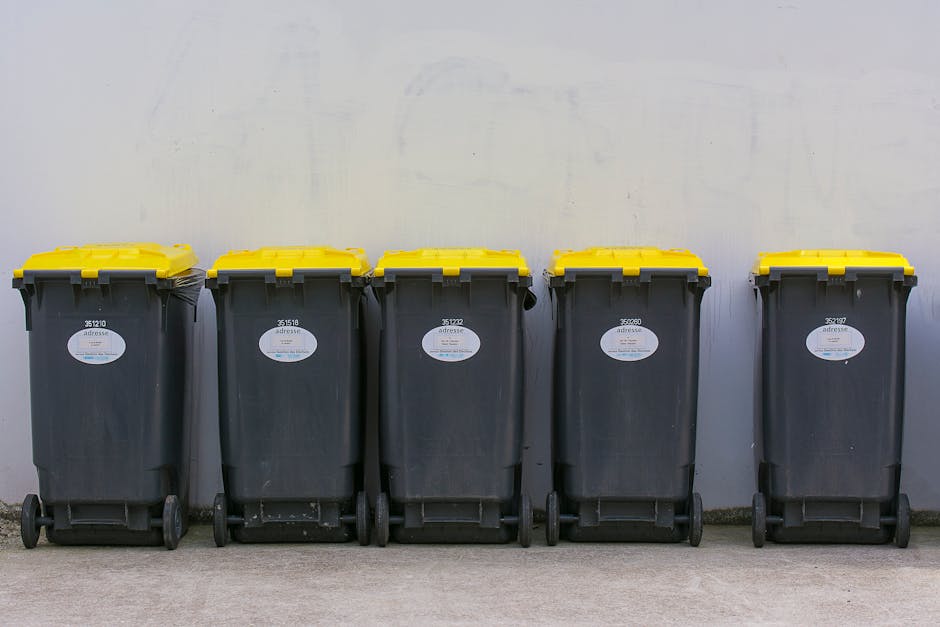
Case study Addlestone garage rubbish removal before and after
If you have ever opened a garage door and felt that slight sinking feeling, you are not alone. A garage can turn into the place where old furniture, broken tools, half-finished DIY materials, and "I'll deal with that later" items quietly pile up. This case study Addlestone garage rubbish removal before and after article looks at what a proper clearance usually involves, why the transformation matters, and how to approach it without creating more stress than the mess already caused.
Rather than treating garage clearance as a simple tidy-up, it helps to see it as a practical reset. Done well, it can restore usable space, reduce hazards, and make it much easier to store what you actually need. Below, you will find a clear walkthrough of the process, the expected outcomes, common mistakes, and the best way to plan your own garage clear-out in Addlestone.
For readers comparing related services, it can also help to look at the wider range of clearance options available, such as garage clearance, waste removal, and recycling and sustainability. Those pages give useful context if your garage project is only one part of a bigger home reset.
Table of Contents
- Why Case study Addlestone garage rubbish removal before and after Matters
- How Case study Addlestone garage rubbish removal before and after Works
- Key Benefits and Practical Advantages
- Who This Is For and When It Makes Sense
- Step-by-Step Guidance
- Expert Tips for Better Results
- Common Mistakes to Avoid
- Tools, Resources and Recommendations
- Law, Compliance, Standards, or Best Practice
- Options, Methods, or Comparison Table
- Case Study or Real-World Example
- Practical Checklist
- Conclusion
- Frequently Asked Questions
Why Case study Addlestone garage rubbish removal before and after Matters
The value of a before-and-after garage rubbish removal is not just visual, although the visual change is often the first thing people notice. It is about turning a cluttered, awkward space into something usable again. A garage stuffed with mixed waste can become difficult to walk through, hard to clean, and frankly a bit depressing to look at on a damp afternoon.
In Addlestone, where many homes rely on the garage for storage, bikes, tools, and overflow items from the house, clutter can spread quickly. One box becomes three. A broken chair sits beside a stack of old paint tins. The lawn mower gets buried under packaging, tyres, and garden odds and ends. Before long, the space is less a garage and more a very expensive storage problem.
That is why before-and-after results matter so much. They show the practical outcome of the job: easier access, safer movement, better organisation, and a cleaner environment. They also help homeowners decide whether a full clearance, a partial tidy, or a specialist home clearance is the right next step.
Expert summary: A good garage rubbish removal should do more than empty the room. It should leave the space safer, more usable, and easier to maintain over time. If the after photo only looks empty but the rubbish has just been moved around elsewhere, that is not really a proper result.
How Case study Addlestone garage rubbish removal before and after Works
A professional garage clearance usually starts with a quick assessment of what is inside, how much there is, and whether any items need special handling. That might include awkward furniture, broken appliances, old builders' waste, or mixed household rubbish. The clearer the picture at the start, the smoother the job tends to go.
Next comes sorting. Reusable items, recyclable materials, general rubbish, and anything requiring separate disposal are grouped logically. This is the stage where good judgement matters. Not every old item is waste, and not every item in a garage should be treated the same way. A rusty garden spade, for example, is very different from paint, gas canisters, or leftover renovation debris.
After that, removal is usually carried out in a planned order. Heavy items come out first, loose bags are bagged properly, and the floor area is cleared so the garage can be swept down at the end. That final clean-up is often what makes the "after" image so striking. The light comes in differently. The floor shows again. You can actually see the back wall. Small thing, maybe, but it changes how the whole house feels.
When the job includes larger furniture or bulky objects, related services such as furniture clearance and furniture disposal may be relevant, especially if the garage has become a holding zone for old sofas, cabinets, shelving, or damaged household pieces.
Key Benefits and Practical Advantages
The obvious benefit is space. But there is a bit more to it than that. A cleared garage can be used for parking again, which is a big win if you are tired of scraping frost off the windscreen because the car lives on the drive all year. It can also become a proper workshop, storage area, or even a place to sort seasonal items without tripping over a pile of unknowns.
There are also safety benefits. Old rubbish in garages often includes sharp edges, broken glass, unstable stacks, and damp-damaged boxes that collapse when moved. If children, pets, or older relatives walk through the area, that matters even more. Removing clutter can reduce the chance of knocks, trips, and accidental damage.
Other practical advantages include:
- clearer access to tools and stored items
- less dust, dirt, and damp-related build-up
- easier cleaning and maintenance
- better pest prevention
- more usable space for parking or storage
- a quicker route to selling, renting, or refurbishing the property
There is also a psychological upside, to be fair. A messy garage can quietly weigh on people. You see it every time you open the door. Once it is cleared, that low-level annoyance just goes. Not glamorous, but very real.
Who This Is For and When It Makes Sense
Garage rubbish removal makes sense for a wide range of people, and not just those dealing with a total mess. Sometimes the issue is gradual accumulation after a move. Sometimes it is post-renovation clutter. Sometimes it is years of "useful someday" items that have become a solid wall of stuff.
This kind of service is especially useful if you are:
- preparing to reclaim a garage for parking
- moving house and need the space emptied quickly
- dealing with mixed household and garden waste
- clearing out old furniture or broken storage units
- tidying after builders, decorators, or DIY work
- trying to free up room for a new use, like a gym or workshop
It also makes sense when the rubbish is too bulky or too much for a standard car load or small trip to the tip. That is where structured clearance becomes far more efficient than several stressful weekend trips. Truth be told, most people would rather spend their Saturday doing almost anything else.
If your garage mess has spread into the loft, driveway, or side return, it may be worth looking at loft clearance or garden clearance too, because clutter tends to travel when it is left alone long enough.
Step-by-Step Guidance
A calm, orderly approach usually gives the best result. Here is a practical way to handle the process from start to finish.
- Open the space and assess what is there. Before lifting anything, look at the garage as a whole. Identify large items, bags, recyclables, hazardous materials, and things you want to keep.
- Separate keeps from clears. Put aside what genuinely belongs in the garage. Be honest here. That box of tangled cables from 2009 is not a "maybe."
- Group items by type. Sort general rubbish, metal, wood, cardboard, furniture, and anything that needs special handling. This saves time later.
- Remove bulky items first. Cabinets, shelving, broken appliances, and furniture should usually come out before the smaller waste, because they create the biggest blockages.
- Bag and contain loose waste. Mixed rubbish in open piles is awkward, dusty, and slower to move. Bagging it neatly is simply easier.
- Clear access routes. Make sure the path from garage to vehicle is safe and unobstructed. A good route makes a big difference on the day.
- Sweep and inspect at the end. Once the waste is removed, check corners, shelves, and behind stored items. That last pass often catches forgotten bits.
A lot of people skip the middle step and just start hauling. Sometimes that works, but usually it creates more mess, more decisions, and more fatigue. A bit of structure pays off.
Expert Tips for Better Results
In our experience, the best garage clearances are not the fastest ones. They are the ones with fewer surprises. A few small habits make the whole thing easier.
First, work from the door inward. That may sound obvious, but it stops the job from becoming a trapped-in-a-corner situation. Second, keep a "not sure" pile separate. If you stop every two minutes to debate whether an item should stay, progress slows to a crawl. Third, check what is damp, mouldy, or degraded before lifting it too casually. Old boxes can disintegrate in your hands, and nobody enjoys that little cloud of dust.
It also helps to think ahead about destination. If an item is reusable, keep it separate from waste. If it is metal or another recyclable material, avoid mixing it with general rubbish. And if you are dealing with mixed loads, ask early how they will be handled. That's often where time gets saved, quietly and without fuss.
For customers who want a broader property reset, combining garage work with house clearance can be a sensible move. It keeps the project coordinated rather than pieced together over several weekends, which is usually how the stress creeps in.
Common Mistakes to Avoid
Garage clearance sounds straightforward until it is not. The biggest mistake is underestimating how much is actually there. A space that looks "mostly full" from the doorway often contains far more waste than expected once everything is lifted and sorted. That surprise can derail a do-it-yourself plan very quickly.
Another common error is mixing everything together. Once recyclable items, furniture, cardboard, and general rubbish are all in one heap, the job becomes harder to manage and potentially less efficient. You also risk damaging reusable items by stacking them under heavier waste.
Watch out for these too:
- starting without a clear plan for sorting
- keeping broken items "just in case" for years
- ignoring sharp, damp, or unstable waste
- forgetting to leave a clear exit path
- assuming every item can be handled the same way
- failing to think about recycling before disposal
And a small but important one: don't leave the final sweep until tomorrow. Tomorrow has a habit of turning into next month.
Tools, Resources and Recommendations
You do not need an elaborate toolkit for a garage clear-out, but a few basic items help a great deal. Sturdy gloves, strong bags, a broom, a dustpan, labels or marker pens, and protective footwear are the basics. If there is a lot of dust or broken material, a simple mask may be sensible too. Nothing dramatic. Just sensible housekeeping.
For more complex loads, trolleys or sack trucks can reduce strain when moving heavier items. If shelving or old units need dismantling, basic hand tools may help, but only if you are comfortable using them safely. There is no prize for wrestling a rusted shelf into submission with bare hands. Been there, regretted it.
Useful service pages for planning around a garage clear-out include builders waste clearance if the garage contains renovation debris, and office clearance if it has become a storage space for desks, files, or work equipment. Different waste types need different handling, so matching the service to the mess matters more than people sometimes think.
If you want a clearer idea of pricing, scheduling, and what is normally included, the pricing and quotes page is a sensible place to start. It helps set expectations before anyone turns up with a van and a long list of questions.
Law, Compliance, Standards, or Best Practice
Any rubbish removal job should be handled with care and in line with normal UK waste-handling expectations. That usually means waste should be carried, stored, and disposed of responsibly, with suitable attention to recycling where possible. If an item is hazardous, sharp, contaminated, or otherwise awkward, it should not be treated like ordinary household rubbish.
For homeowners, the main point is simple: don't dump mixed waste wherever it is easiest, and don't hand rubbish to anyone who cannot explain how it will be handled. Good practice is about traceability, safety, and responsible disposal. That applies whether the job is a small garage tidy or a larger clearance involving multiple rooms.
It is also sensible to think about insurance and operational safety. For example, if a clearance involves tight access, heavy lifting, or fragile surroundings, the provider should have working methods that reduce the chance of damage. You can read more about these expectations on the insurance and safety page and the health and safety policy page.
Finally, environmentally responsible disposal is now a normal expectation rather than a nice extra. Where possible, sorting items for reuse or recycling is the right approach. It is cleaner, more efficient, and simply better practice overall.
Options, Methods, or Comparison Table
There are usually three ways people approach a garage rubbish removal job: do it themselves, hire a man-and-van style clearance service, or arrange a more structured clearance through a specialist provider. Each has its place. The right choice depends on volume, time, access, and how much sorting is needed.
| Method | Best for | Advantages | Drawbacks |
|---|---|---|---|
| DIY clear-out | Small amounts of waste | Lower cash outlay, full control | Time-consuming, physically demanding, multiple trips likely |
| Van collection | Medium mixed loads | Convenient, quicker than DIY | Less support with sorting, may still need preparation |
| Specialist clearance | Large, awkward, or mixed garage waste | More efficient, safer handling, better for bulky items | Usually costs more than a single self-managed trip |
In a lot of real cases, the specialist option wins because time and hassle matter more than people expect. It is not only about moving items. It is about removing decision fatigue, avoiding injury, and getting the garage back into use quickly.
Case Study or Real-World Example
Here is a realistic example based on the kind of garage rubbish removal projects people often need in Addlestone. A homeowner had a single garage that had slowly filled with old shelving, broken plant pots, a cracked exercise bike, bags of mixed household rubbish, offcuts from a past decorating job, and a few pieces of furniture that had been pushed in "temporarily." That temporary arrangement had lasted years, which does happen.
Before the clearance, the garage floor was barely visible. The path from the door was narrow. Things leaned against each other in unstable piles, and there was a clear musty smell from damp cardboard in one corner. Not ideal, and not a space anyone really wanted to sort on their own after work.
The removal process started by separating reusable items from waste. One small shelving unit was kept, a couple of items were set aside for disposal, and the rest was loaded in a structured way so the bulky pieces came out first. Loose waste was bagged and the floor was swept at the end. The "after" result was a very different space: clear floor, room to walk, visible walls, and enough space to store tools in an organised way rather than stacking them in a panic.
The best part? The garage became usable again without the owner having to spend a whole weekend making endless runs back and forth. That is the real benefit, really. A practical space, restored.
Practical Checklist
Use this checklist before you start a garage rubbish removal job.
- Decide what must stay and what can go
- Separate items into keeps, donate/reuse, recyclable, and rubbish
- Check for anything sharp, damp, or hazardous
- Measure large items if access looks tight
- Clear a walking route from garage to exit
- Gather gloves, bags, broom, and basic tools
- Confirm whether any items need specialist handling
- Plan where the removed waste will go
- Leave time for a final sweep and inspection
- Take a quick before photo if you want to see the difference later
If you are coordinating the work alongside other household clearance tasks, a broader service such as flat clearance or office clearance may be useful depending on what else needs shifting. Sometimes one job opens the door to another. That's normal.
Conclusion
A well-planned Addlestone garage rubbish removal before and after project is about more than removing unwanted items. It is about restoring control over a space that has quietly got out of hand. The difference is often immediate and surprisingly satisfying: better access, less clutter, safer movement, and a garage that finally feels like part of the home again.
The most important thing is not perfection. It is progress. Even a garage that starts out chaotic can be turned into something useful with the right approach, a bit of sorting discipline, and a clear idea of the final result you want. That before-and-after shift can be honestly uplifting, especially when you can open the door and breathe a little easier.
If you are ready to plan your own clearance, speak to a trusted local team and explore the best-fit service options for your property and waste type. Get a free quote today and see how much you can save.
A cleared garage does not just make space for things. It makes room to think again.
Frequently Asked Questions
What does a garage rubbish removal before and after case study usually show?
It usually shows the contrast between a cluttered, difficult-to-use garage and a clear, organised space after the waste has been removed. The best case studies also explain how sorting, lifting, and final clean-up were handled.
How long does a typical garage clearance take?
That depends on the amount and type of waste, access to the property, and whether items need sorting. A small clear-out may be quick, while a heavily packed garage can take much longer. Access can be the deciding factor, oddly enough.
Can I leave everything in the garage and have it all removed?
Often yes, but it helps if you can separate anything you want to keep before the team arrives. A quick sort at the start usually makes the process smoother and reduces the risk of accidental removal.
What kinds of items are commonly found in garage rubbish removal jobs?
Old furniture, broken tools, cardboard, paint tins, garden waste, shelving, DIY offcuts, sports equipment, and general household clutter are all common. Garages have a habit of collecting the "not now" pile.
Do garage clearances include sweeping up afterwards?
They often do, especially when the space has a lot of loose debris or dust. A proper finish should leave the floor clear and the area tidy, not just emptied.
Is garage rubbish removal the same as general waste removal?
Not exactly. Garage clearances often involve a mix of different materials and awkward items, so they may need a more considered approach than a simple mixed waste pickup.
What should I do with items that might still be reusable?
Set them aside before the clearance begins. Reusable items should be kept separate from rubbish so they are not disposed of by mistake. It sounds obvious, but in a packed garage it is easy to miss one or two useful things.
Are there safety risks in clearing a very full garage?
Yes. Trip hazards, unstable piles, sharp edges, damp materials, and heavy items can all create risks. If the garage is badly overloaded, it is sensible to slow down and work methodically.
How do I know whether I need a full garage clearance or just a partial tidy?
If the space is mostly blocked, difficult to walk through, or full of mixed waste, a full clearance may be the better choice. If the problem is mainly a few bulky items and some clutter, a partial removal may be enough.
Can garage clearance help if I want to use the space for parking again?
Absolutely. Reclaiming parking space is one of the most common reasons people book this kind of work. It can make everyday life a lot easier, especially in colder months when you would rather not be outside scraping ice from the car.
What is the best way to prepare for a garage rubbish removal visit?
Separate keep items, clear a path, remove anything fragile or personal, and make a note of any heavy or awkward objects. A few minutes of preparation can save a lot of time later.
How do recycling and responsible disposal fit into the process?
Good garage clearance should sort items where possible so recyclable materials are handled appropriately. This is one reason why it helps to use a service that values proper waste management and references recycling clearly, not just quick removal.
For more about our approach, you can also review about us, payment and security, and complaints procedure. If you are comparing service standards or want to understand how information is handled, privacy policy and terms and conditions are useful reference points too.